
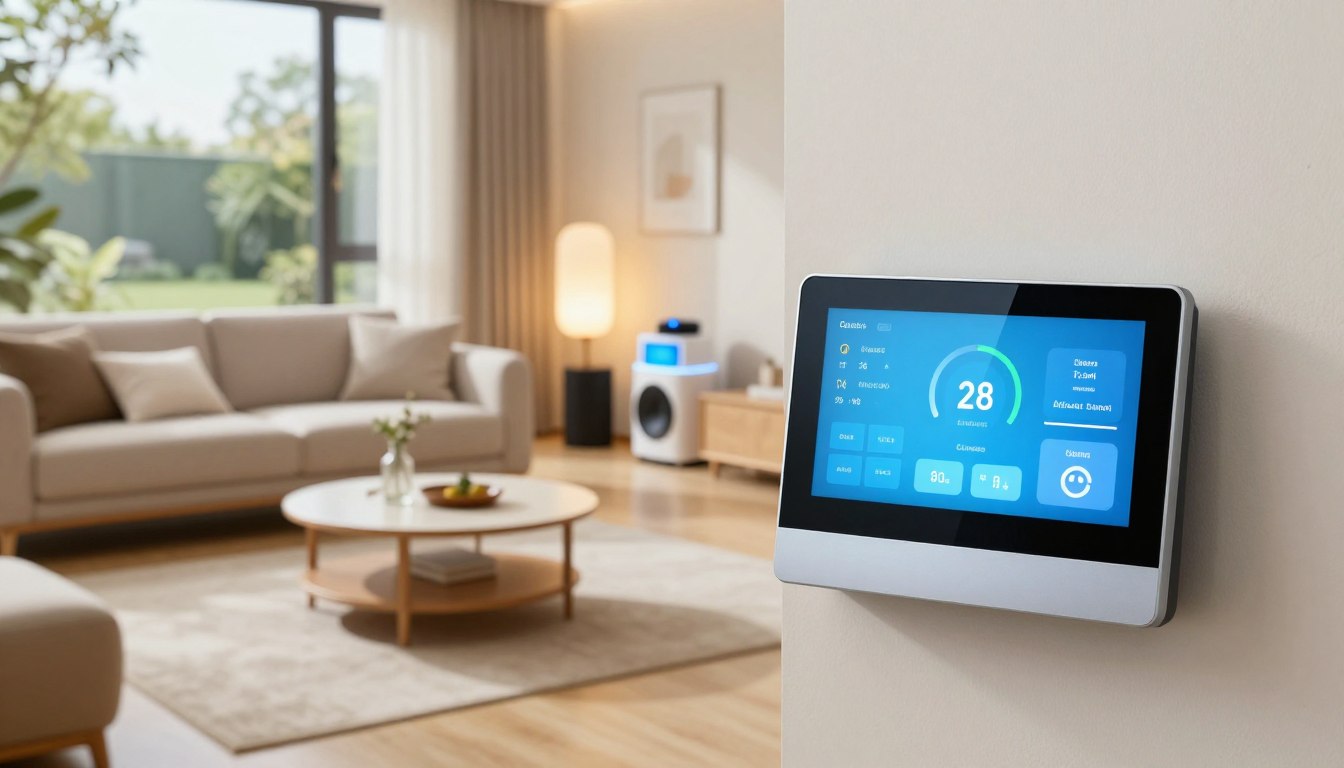
Did you know that nearly 90% of seniors in the United States prefer to age in place rather than move to a facility? This desire for independence is driving a massive shift in how we manage health and daily wellness.
Modern smart home care technology systems are now bridging the gap between traditional assistance and digital convenience. These tools allow individuals to monitor their health proactively while staying in the comfort of their own surroundings.
By integrating these solutions, families can enjoy greater peace of mind knowing their loved ones are safe. It is time to embrace these innovations that empower us to live life on our own terms.
Key Takeaways
- Most seniors prioritize aging in place to maintain their personal independence.
- Digital tools enable proactive health management within your own living space.
- Integrated solutions provide essential support for both seniors and their caregivers.
- Modern innovations bridge the gap between traditional help and digital ease.
- Adopting these tools fosters a safer and more confident daily routine.
Getting Started with Smart Home Care Technology Systems
Building a supportive environment starts with identifying the specific challenges you or your loved ones face daily. By taking the time to evaluate your unique situation, you can ensure that your home automation technology investment provides real value. Implementing Smart home care technology systems is most effective when you prioritize safety and comfort above all else.
Assessing Your Home Care Needs
The first step involves creating a list of daily activities that could benefit from extra support. Consider whether mobility, medication management, or general activity tracking are your primary concerns. Understanding these specific pain points allows you to choose tools that offer genuine assistance rather than just adding complexity to your home.
You should also evaluate the current layout of your living space to see where technology might fit best. For instance, if you struggle with mobility, focus on voice-activated lighting or automated door locks. These simple additions can significantly increase your independence and peace of mind.
Selecting Essential IoT Devices for Home Care
When you begin choosing iot devices for home care, it is easy to feel overwhelmed by the sheer number of options available. To avoid unnecessary clutter, focus on hardware that serves a clear, meaningful purpose. Every device you add should contribute to a cohesive and supportive ecosystem that simplifies your life.
Intelligent home health devices, such as smart pill dispensers or fall detection sensors, are excellent starting points for many households. These tools work quietly in the background to provide essential data without being intrusive. The following table outlines how different devices can address specific care requirements:
| Device Category | Primary Benefit | Best For |
|---|---|---|
| Smart Medication Dispensers | Ensures timely dosage | Chronic condition management |
| Fall Detection Sensors | Immediate emergency alerts | Enhanced safety and security |
| Voice-Activated Assistants | Hands-free home control | Limited mobility support |
| Activity Trackers | Monitors daily routines | Long-term health insights |
Implementing Automated Home Caregiving Solutions
Automated home caregiving solutions offer peace of mind for families by bridging the gap between independence and safety. By leveraging modern home automation technology, you can create a living environment that responds to the unique needs of your loved ones. This proactive approach ensures that help is always available when it matters most.
Setting Up Smart Monitoring Systems for Seniors
Deploying smart monitoring systems for seniors requires a careful balance between oversight and personal privacy. You should focus on non-intrusive devices like motion detectors or smart plugs that track daily routines without the need for cameras in private areas. These systems learn typical behavior patterns and alert caregivers if something seems out of the ordinary.
Integrating Connected Healthcare Technologies
Modern connected healthcare technologies allow for seamless data sharing between the home and medical professionals. By syncing devices like blood pressure cuffs or glucose monitors with a central hub, you ensure that doctors have access to real-time health trends. This constant flow of information helps in making informed decisions about care plans and medication adjustments.
Configuring Smart Home Sensors for Health Monitoring
Properly configuring smart home sensors for health monitoring is essential for accurate data collection. Start by placing sensors in high-traffic areas such as the kitchen, bathroom, and bedroom to track movement and activity levels. Ensure that each device is calibrated correctly to distinguish between normal daily activity and potential emergencies.
Establishing Emergency Alert Protocols
Even the best technology needs a clear plan for urgent situations. Establishing emergency alert protocols ensures that family members or medical services receive immediate notifications if a sensor detects a fall or an unusual period of inactivity. Reliability is key, so consider these steps for your setup:
- Define a clear hierarchy of contacts for automated alerts.
- Test your alert system monthly to ensure connectivity.
- Keep a backup power source for your primary hub.
- Ensure all caregivers have access to the mobile dashboard.
Conclusion
Modern living shifts toward a model where safety meets independence through digital innovation. Adopting advanced technology for home care changes how families manage daily wellness and peace of mind.
The market offers many cutting-edge smart home care systems designed to support aging in place. These tools provide a safety net that allows individuals to maintain their routines with confidence. You do not need to overhaul your entire living space at once to see results.
Start with one or two devices that address your most pressing concerns. Brands like Amazon with their Echo Show or specialized sensors from companies like Canary offer accessible entry points. Small, manageable upgrades create a foundation that grows alongside changing health needs.
Prioritize the comfort and dignity of your loved ones as you explore these options. Every device serves as a bridge to a more secure and connected lifestyle. Share your experiences with these tools to help others in your community make informed choices for their own households.