
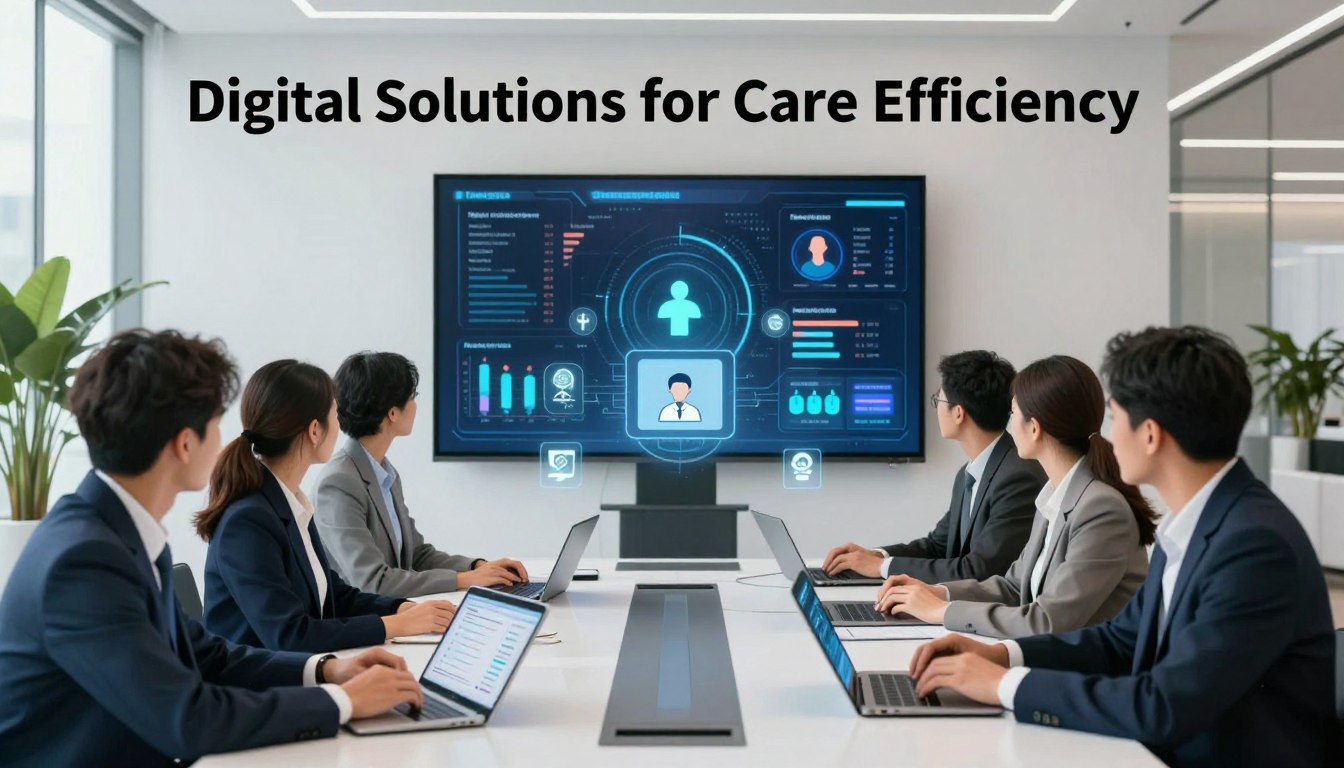
Did you know that nearly 70% of physicians in the United States report feeling burned out? This staggering statistic highlights a growing crisis that threatens the quality of medical services across the country. Modern technology offers a path forward to reclaim time and focus on what matters most: the patient.
Adopting digital solutions for care efficiency is no longer optional for clinics aiming to thrive. By integrating advanced patient care management tools, providers can significantly reduce administrative fatigue. These systems streamline daily workflows, allowing staff to dedicate more energy to direct interaction.
Focusing on improving clinical efficiency ensures that medical practices remain responsive and accurate. When technology handles the heavy lifting, patient outcome improvement becomes a natural result of a more organized environment. These tools serve as the essential foundation for a truly patient-centered medical landscape.
Key Takeaways
- High burnout rates among US physicians necessitate a shift toward automated workflows.
- Modern software helps reduce the administrative burden on medical staff.
- Streamlined processes allow providers to focus on high-quality interactions.
- Technology integration is a key driver for better health results.
- A patient-centered environment relies on robust, responsive data systems.
Assessing Your Current Workflow and Needs
A successful digital health strategy begins with a deep dive into your daily operations. Before you invest in new technology, you must understand how your team handles patient data and clinical tasks. This foundational audit ensures that your future investments align with the actual needs of your staff and patients.
Identifying Bottlenecks in Patient Care
Every practice faces clinical workflow bottlenecks that slow down the delivery of care. These issues often hide in manual data entry, fragmented communication, or outdated filing systems. By mapping out the patient journey from check-in to discharge, you can pinpoint exactly where delays occur.
Streamlining medical operations requires a clear view of these friction points. You might find that your front desk spends too much time on phone calls, or that clinicians struggle to access records quickly. Identifying these specific clinical workflow bottlenecks is the first step toward meaningful improvement.
Setting Measurable Goals for Efficiency
Once you identify your pain points, you must set clear targets for healthcare workflow optimization. Goals should be specific, such as reducing patient wait times by 20% or cutting administrative paperwork by half. These metrics help you select the right patient care management tools to achieve your vision.
Effective healthcare digital transformation relies on tracking progress against these goals. When you measure success, you can justify the transition to new software and ensure your team stays motivated. The following table highlights how modernizing your approach can transform daily tasks.
| Process Area | Manual Approach | Digital Solution |
|---|---|---|
| Patient Scheduling | Phone-based booking | Automated online portals |
| Record Keeping | Paper charts | Cloud-based EHR systems |
| Follow-up Care | Manual mailers | Automated SMS reminders |
| Data Analysis | Spreadsheet tracking | Real-time dashboard reporting |
By prioritizing streamlining medical operations, you create a more sustainable environment for your staff. Investing in the right patient care management tools allows your team to focus on what matters most: the patient. Consistent healthcare workflow optimization is the key to long-term success in a modern medical practice.
Implementing Digital Solutions for Care Efficiency
Adopting new technology is a major step toward creating a more efficient and patient-centered medical environment. By embracing digital solutions for care efficiency, clinics can streamline their workflows and focus more on what truly matters: patient outcomes. This transition requires careful planning and a clear understanding of how specific tools can solve common operational challenges.
Selecting Electronic Health Record Systems
Choosing the right platform is the foundation of your digital strategy. A comprehensive EHR implementation guide suggests focusing on interoperability and user experience to ensure your team can navigate patient records without frustration. Modern electronic health record systems should offer intuitive interfaces that allow for quick data entry and retrieval.
When evaluating vendors, prioritize systems that support seamless data flow between departments. This connectivity prevents information silos and ensures that every provider has access to the most accurate patient history. A well-integrated system ultimately leads to better coordination of care across your entire facility.
Integrating Telehealth Platforms for Remote Consultations
Expanding your reach beyond the physical office is easier than ever with the right technology. The primary telehealth integration benefits include increased patient access and the ability to manage follow-up appointments without requiring travel. By utilizing robust remote consultation platforms, providers can maintain high standards of care while offering patients greater flexibility.
Successful integration involves ensuring that your video conferencing tools are HIPAA-compliant and easy for patients to use. When patients find it simple to connect with their doctor, they are more likely to stay engaged with their treatment plans. This digital bridge helps maintain continuity of care, even when an in-person visit is not possible.
Automating Administrative Tasks with Scheduling Software
Front-desk staff often face significant pressure from manual booking processes and repetitive paperwork. Implementing medical practice automation is a proven strategy for reducing administrative burden, allowing your team to dedicate more time to patient interaction. Advanced healthcare scheduling software serves as the backbone of this efficiency, handling everything from appointment reminders to waitlist management.
The following table highlights how these digital tools compare in terms of their primary impact on your clinic’s daily operations:
| Tool Category | Primary Benefit | Operational Impact |
|---|---|---|
| EHR Systems | Data Centralization | High |
| Telehealth Platforms | Patient Accessibility | Medium |
| Scheduling Software | Time Management | High |
Best Practices for Staff Training and Adoption
Empowering your staff during a digital transition is the most critical step toward long-term operational success. While the right software is essential, healthcare technology adoption ultimately depends on the people who use these tools daily. A human-centered approach ensures that your team feels supported rather than overwhelmed by new processes.
Creating a Phased Rollout Strategy
Avoid the temptation to launch every feature at once, as this often leads to unnecessary stress. Instead, implement a phased rollout that introduces new tools in manageable stages. This method allows your team to master one module before moving on to the next.
By breaking the transition into smaller steps, you effectively prevent staff burnout. This strategy gives everyone the time they need to adjust their daily habits without disrupting patient care. Consistency is key to maintaining high morale during any major digital shift.
Providing Hands-on Support and Resources
Effective staff training for healthcare software requires more than just reading a manual. You should offer interactive workshops where clinicians can practice using the system in a safe, simulated environment. This hands-on approach builds the confidence necessary for real-world application.
Furthermore, consider establishing a peer-mentorship program during the initial healthcare staff onboarding phase. Having a “super-user” on the floor provides immediate assistance when questions arise. This collaborative culture reduces anxiety and ensures that technical hurdles do not become roadblocks to productivity.
Monitoring Performance Metrics and Feedback
Once your new systems are live, you must track progress to ensure they are delivering the expected results. Regularly reviewing healthcare performance metrics helps you identify which areas are thriving and which might need additional training. This data-driven approach allows for quick, iterative improvements.
Encourage open communication by gathering consistent feedback from your clinical teams. When staff members feel heard, they are more likely to engage with the new technology. The following table outlines the effectiveness of different training approaches for your team:
| Training Method | Primary Benefit | Implementation Effort |
|---|---|---|
| Interactive Workshops | High Skill Retention | Moderate |
| Peer-Mentorship | Increased Confidence | Low |
| Digital Tutorials | On-Demand Access | Low |
| Live Simulation | Error Reduction | High |
Conclusion
Modern healthcare demands a shift toward smarter, faster, and more connected workflows. Adopting digital tools transforms how your team manages daily operations while keeping the focus on those who matter most: your patients.
Improving clinical efficiency requires a steady commitment to evaluating your systems and supporting your staff. When your team feels confident using platforms like Epic or Athenahealth, the entire practice benefits from smoother operations. This dedication creates a foundation for long-term success in a competitive landscape.
Prioritizing these digital upgrades leads directly to patient outcome improvement. You gain the ability to track health trends, reduce errors, and provide personalized care with greater precision. Every small change you make today builds a more resilient and effective medical environment for tomorrow.
Take the first step by reviewing your current software and gathering feedback from your providers. Share your experiences with these tools to help others in the medical community grow. Your journey toward a fully optimized practice starts with a single, intentional update to your digital infrastructure.